AI-powered clinical capture, accessible multi-omics, and hospital automation. One platform that helps every clinician, hospital, and health system deliver personalized care.
Each layer works on its own. Together, they turn reactive medicine into predictive, personalized care.
Available Now
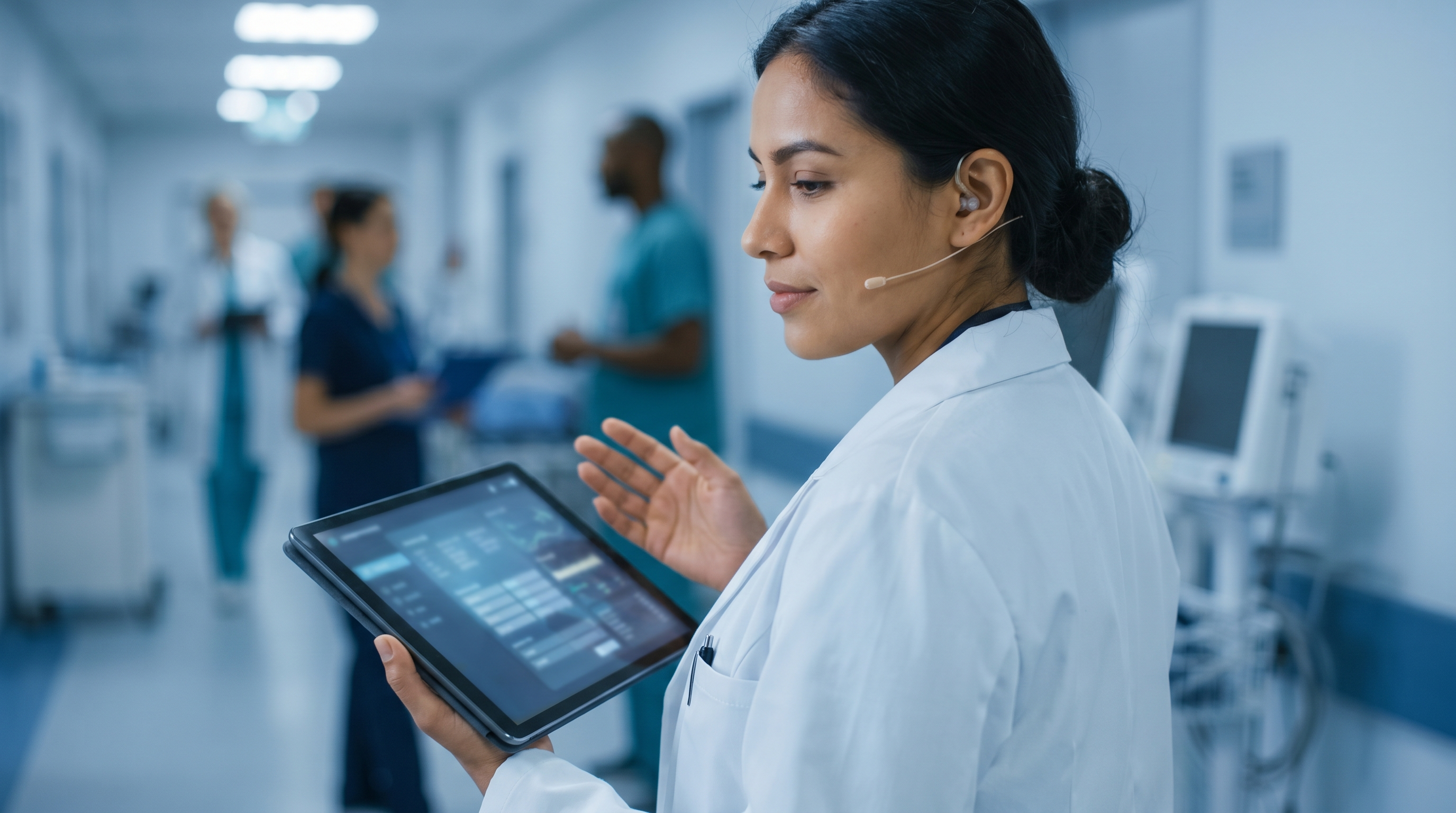
AI Clinical Capture
Voice-powered clinical documentation that structures messy health records in real time. Scribes, automated record extraction, and live dashboards that give clinicians their time back.
Specialty templates for cardiology, pediatrics, internal medicine and more
Auto-coded ICD-10 and SNOMED tagging on every visit
One-click patient summaries delivered to email or messaging
HIPAA, GDPR and Colombia Ley 1581 compliant by default
In Development
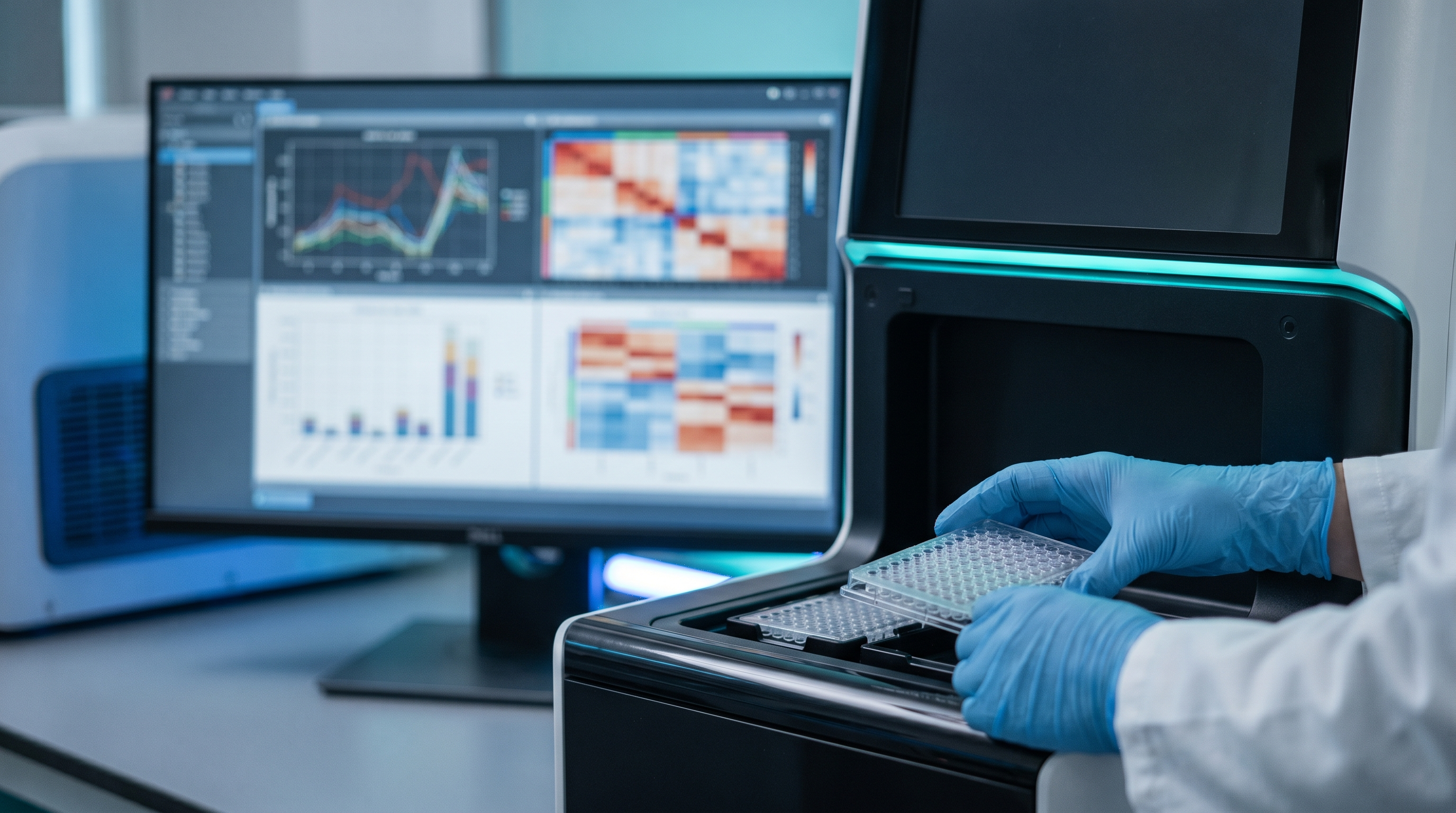
Multi-Omics Engine
Genomic, proteomic, microbiome and epigenetic panels processed through a bioinformatics pipeline our team has built across years of research. We are working to make molecular data accessible and connected to clinical outcomes, at economics that scale.
Single-cell resolution for tumor, immune and infection profiling
Quality control and reporting standardized for clinical use
Federated analysis so raw data never leaves the institution
REST and FHIR APIs to plug results into existing record systems
On the Roadmap
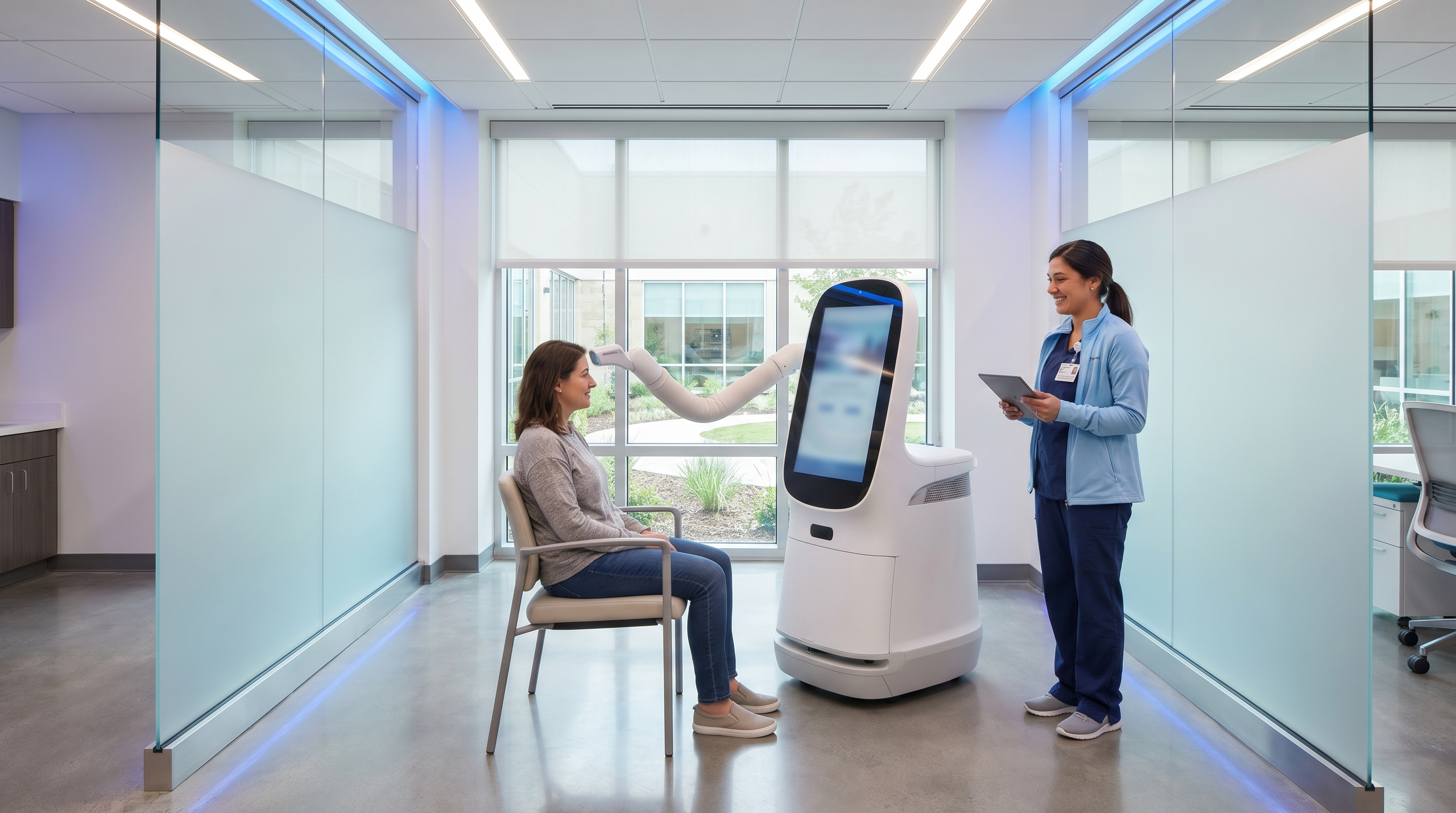
Hospital Automation
We are designing point-of-care automation for triage, vitals, and clinician assistance. Faster triage, complete reports from the very first contact, and a real-time voice copilot during rounds.
Hands-free patient intake that fills the chart before the clinician walks in
Wait-time monitoring and queue prioritization across the unit
Multilingual patient interaction for triage and follow-up
Designed to retrofit existing facilities, not require new buildings
Solutions
Find the solutions SmartEpi offers for you
Pick your role. We have designed end-to-end workflows for each one.
The Problem
Health systems are built to treat outcomes, not prevent them.
Care arrives after the damage is done. The data needed to predict it earlier is fragmented, expensive to convert, and rarely connected to the clinical decision.
49%
of clinicians' time is spent writing electronic health records and on administrative tasks (AMA / Annals of Internal Medicine). Hours that should be at the bedside.
$1.5M+
is what mid-size hospitals spend yearly turning unstructured notes into analysis-ready data, mostly through manual review (Black Book Market Research). Without that step, predictive models cannot run.
80%
of clinical data is unstructured and scattered across siloed systems (IDC / Health Affairs). Notes, labs, omics signals, and operational data don't talk to each other. The information needed to anticipate deterioration exists, but it rarely arrives integrated at the point of decision. We are building the layer that finally connects them.
<3%
of hospitals in Latin America have clinical-omics integration strategies that translate molecular data into better decisions. The infrastructure for precision medicine is barely there.
$500–2,000
per genomic test, and the result rarely makes it back into the clinical workflow. The molecular insight is paid for and then disconnected from the patient who needs it.
95%
of healthcare spending goes to treating outcomes instead of preventing them. The data to flip that ratio exists. We are building the layer that finally uses it.
See SmartEpi in motion
Our Story
We built SmartEpi because we lived the problem.
As clinicians and researchers in Colombia, we watched patients with preventable conditions deteriorate rapidly because they were identified too late. Diseases that could have been caught early were missed because the warning signs were scattered across handwritten notes, disconnected lab systems, and clinical records no one could search.
We saw the other side of the same gap from the lab: the information sitting in medical records was rarely being used to truly understand disease. So we set out to change that, and we have shown that multi-omics and machine learning can predict who gets sicker before it happens. Now we are connecting both worlds.
Our dream is simple: personalized medicine should not be a privilege. The same technology that supports decisions in Boston or London should work in Cali, Lagos, and Dhaka, in every kind of setting where patients need it.
Science, validation and clinical impact
Science, validation and clinical impact
From evidence to the point of care.
Our technology is not a theoretical promise. It is applied research, validated in real clinical settings. It has been tested in high-complexity hospitals across Latin America, where it has helped standardize clinical documentation, streamline administrative workflows, and make the assistive workload easier for clinicians. All diagnostic and therapeutic decisions remain with the treating professional.
Its methodological core combines multi-omics and machine learning, originally developed for the study of complex infectious diseases and later extended to chronic conditions, integrating clinical, biological, and contextual data into a single analytical system.
The same principle drives SmartEpi: translating high-dimensional data into clinical decisions that are actionable, scalable, and adapted to real-world practice.
Selected high-impact work published by our scientific team
We protect medical information with international standards: identity separation, pseudonymization, encryption, and secure servers. We comply with regulations in Colombia, Panama, the United States (HIPAA) and the United Kingdom (GDPR), and go further with continuous monitoring and rapid response protocols.
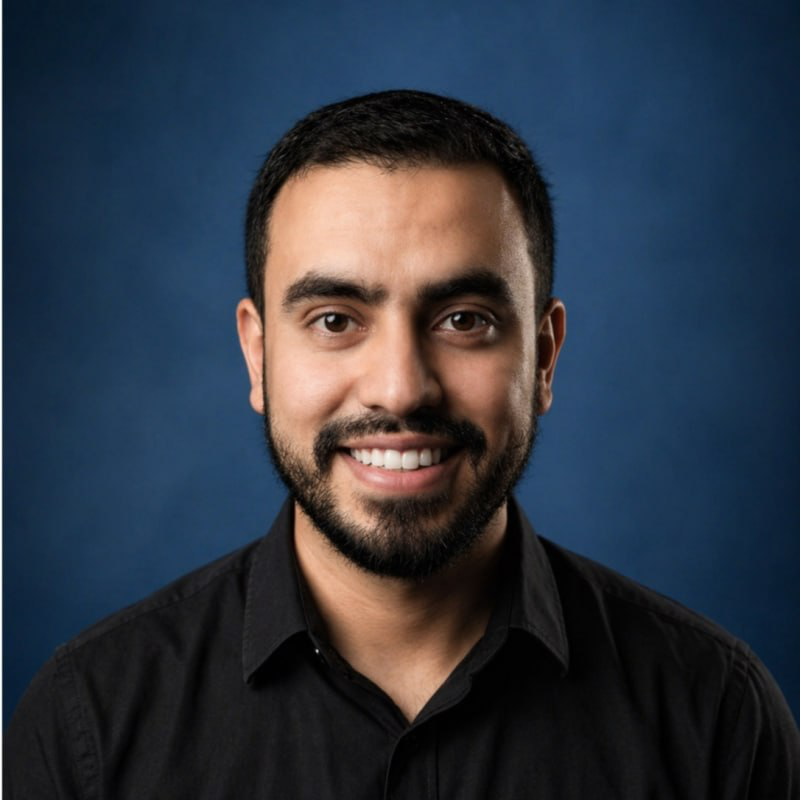
Medical doctor (Universidad Pedagógica y Tecnológica de Colombia, UPTC), MSc in Epidemiology (Universidad del Valle), and PhD candidate at the London School of Hygiene and Tropical Medicine. Applied research at the intersection of multi-omics and machine learning to predict severity and outcomes in infectious diseases (dengue, leishmaniasis, COVID-19) and non-communicable chronic conditions such as asthma. Peer-reviewed publications in Nature Immunology, Nature Communications, Journal of Immunology, PLOS Pathogens, PLOS Neglected Tropical Diseases, and other journals. At SmartEpi he leads the medical and scientific vision, bridging clinical practice, epidemiology, and AI, and owns the strategy for data protection, patient privacy, and regulatory compliance (HIPAA, GDPR, Colombia Ley 1581).
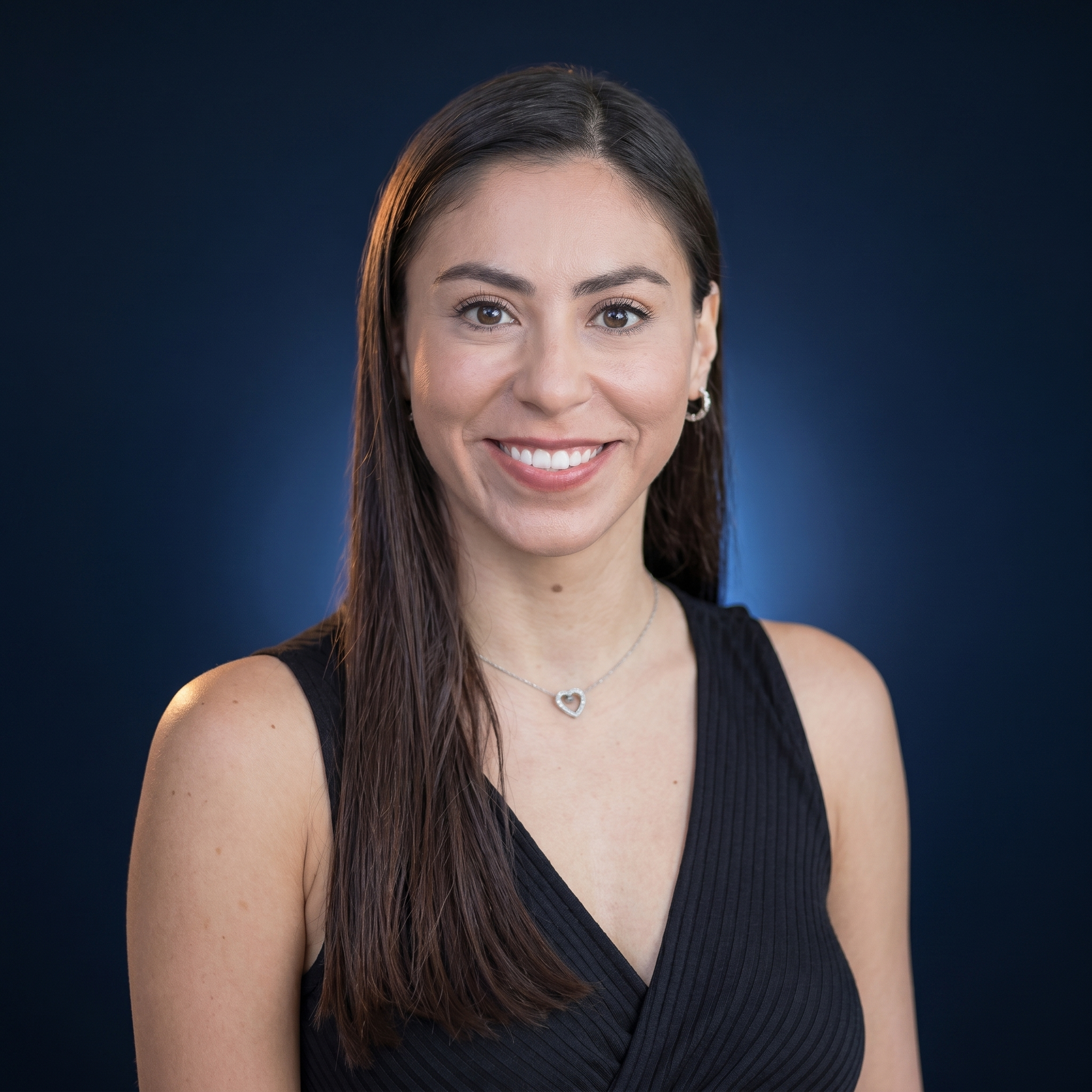
Microbiologist (Universidad de los Andes, Colombia), MSc in Bioengineering (Technische Universität Dresden, Germany), and PhD in Immunology and Microbiology (Dr. rer. nat., Hannover Medical School, Germany). Currently Postdoctoral Researcher at Stanford School of Medicine and Postdoctoral Fellow at the Chan Zuckerberg Biohub — the biomedical research institute founded by Mark Zuckerberg and Priscilla Chan in partnership with Stanford, UCSF, and UC Berkeley. Specialist in single-cell multi-omics (scRNA-seq, CITE-seq) applied to immune responses in infectious and neglected tropical diseases. Peer-reviewed publications in Nature Immunology, Science Advances, Cell Reports, Journal of Clinical Investigation, and PLOS Pathogens. At SmartEpi she leads the scientific strategy and the multi-omics engine that turns molecular data into actionable clinical signals — extensible to other acute and chronic pathologies.
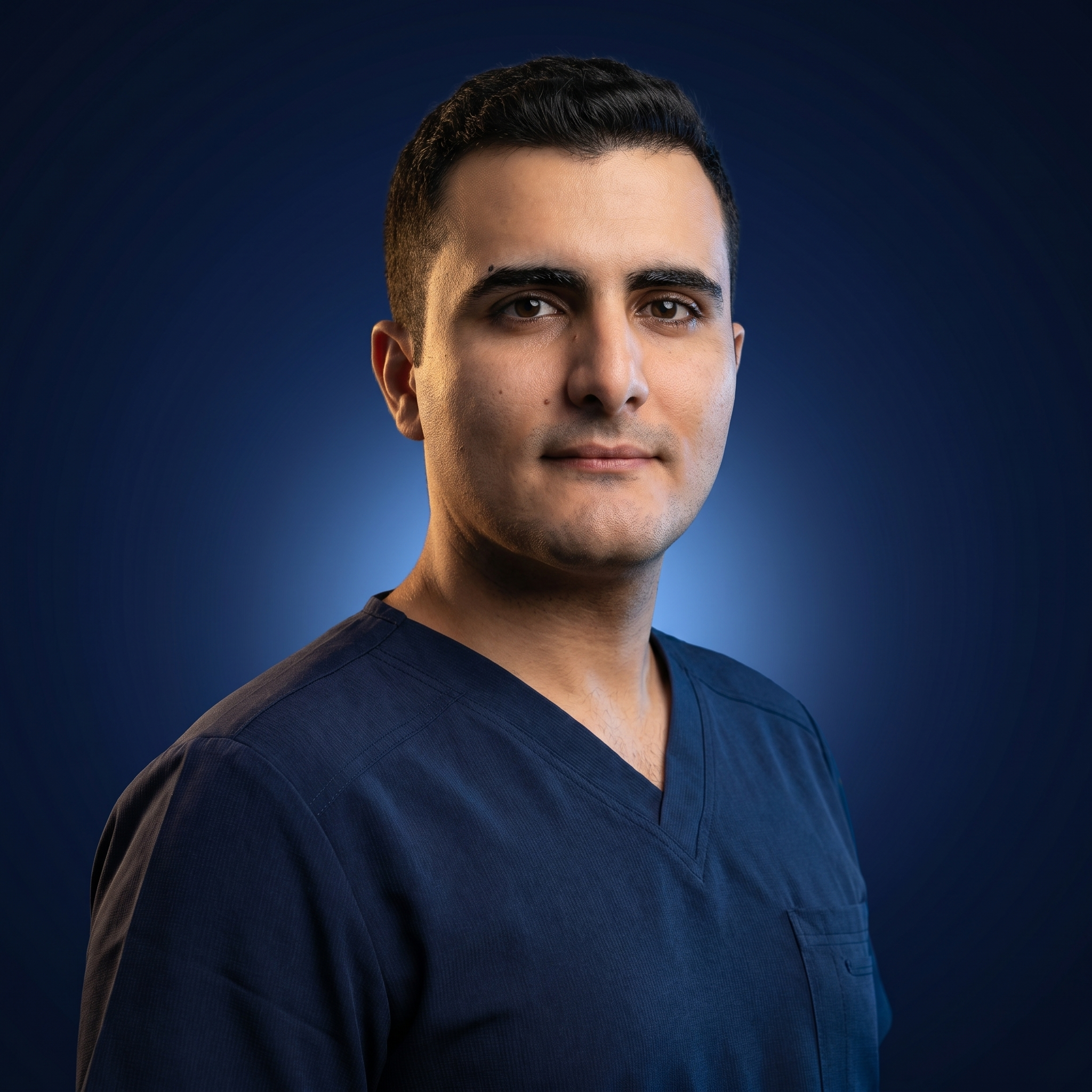
Electronics engineer from Pontificia Universidad Javeriana and MBA candidate in AI and Big Data (UWTSD–CESTE, Spain, 2025–2026). Proven track record in IoT, automation, signal processing, and smartphone-based real-time sensing. Co-author of peer-reviewed publications with an IoT patent pending. At SmartEpi he designs and builds the platform architecture, data pipelines, and intelligent interfaces that connect unstructured medical data to real clinical workflows; owns information security (encryption, access control, and clinical-data protection under HIPAA, GDPR, and Colombia Ley 1581); and partners with Nicolás on the electronics of the robotics layer.
Head of Robotics · Mechatronics Engineer (UNAL) · MSc in Engineering – Industrial Automation (UNAL)
Mechatronics engineer and MSc candidate in Engineering – Industrial Automation at Universidad Nacional de Colombia. Works on automation, sensors, instrumentation, and human-robot interfaces for hospital settings. At SmartEpi he leads the point-of-care robotics layer — automated triage, vitals capture, and bedside clinical assistance — and drives the computer-vision models that give the robotics layer its perception, designed to scale across hospitals of any complexity.